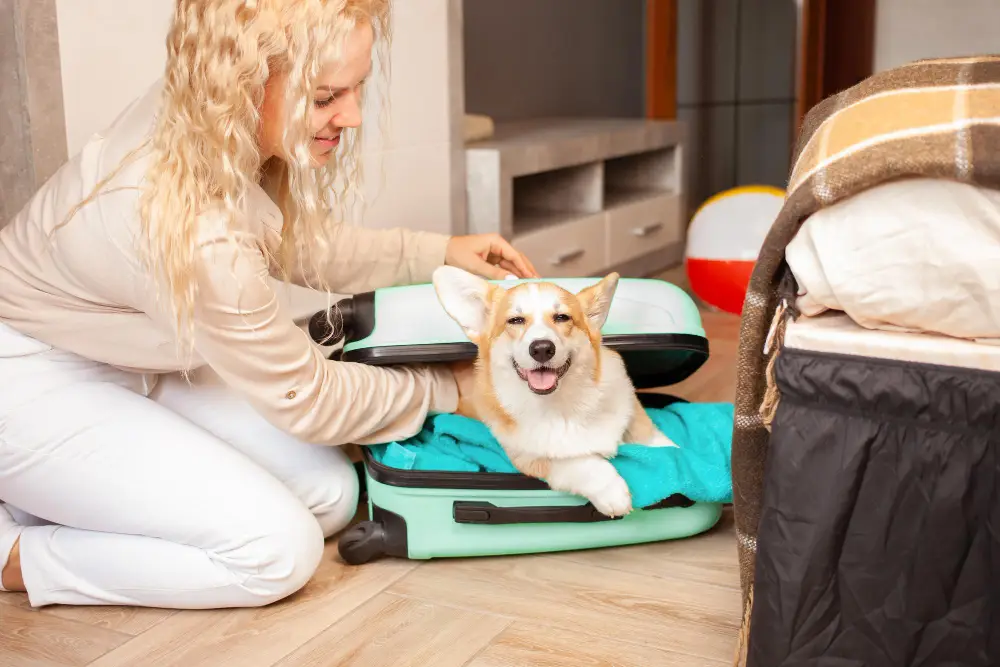
A dog’s first daycare day is less about the dog and more about the preparation the owner does in the days and weeks beforehand. Dogs do not know what daycare is. They experience whatever walk in the door with them — their own state of health and familiarity with new people, the information their carer has been given, and the energy their owner projects in the minutes before leaving. Getting those three things right dramatically improves how the first day goes.
Here is a practical, step-by-step guide to preparing your dog, your carer, and yourself for the first daycare session — organized by what needs to happen and when.
First Day Preparation Checklist
Use this as your reference timeline from booking to first day. Each step is covered in detail in the sections below.
| Preparation Area | What to Do | When |
| Health & vaccinations | Confirm vaccinations are current; gather records if provider needs them | 1–2 weeks before |
| Parasite prevention | Ensure flea, tick, and heartworm prevention is up to date | 1–2 weeks before |
| Vet check (if needed) | If your dog has not had a recent exam, schedule one to rule out health issues | 1–2 weeks before |
| Desensitization | Have someone your dog does not know well visit the home 2–3 times before the first day | 1 week before |
| Carer information doc | Write out feeding times, potty schedule, behavioral notes, emergency contacts | 2–3 days before |
| Home walkthrough | Show carer where food, supplies, leash, medication, and cleaning items are stored | Day before or same day |
| Morning-of feeding | Feed lightly 1–2 hours before carer arrives — not immediately before active time | Morning of |
| Departure routine | Keep goodbye calm and brief — no extended farewell rituals | Morning of |
| First-day debrief | Ask carer for a brief summary of how the day went — behavior, appetite, energy level | End of day |
Health and Vaccination — The Non-Negotiable Starting Point
Before any daycare arrangement begins, your dog needs to be up to date on core vaccinations and current on parasite prevention. This is not a formality — it is a genuine welfare requirement when your pet is spending time around a carer who may also work with other animals.
Which vaccinations matter most
The three that come up most consistently in a pet care context are rabies, distemper-parvo combination, and Bordetella — the vaccine for kennel cough. Even in an in-home daycare setting where your dog is not in a group environment, the carer may have contact with other dogs and households. Bordetella in particular spreads through indirect contact more easily than most owners realize.
If your dog is due for any vaccine in the next month or two, schedule it before daycare starts rather than after. A dog whose immune system is responding to a fresh vaccination does not need the added variable of a new care arrangement on the same week.
Flea, tick, and heartworm prevention
Jacksonville’s subtropical climate means year-round flea and tick pressure. A dog that is not current on prevention heading into any arrangement that involves an outside carer creates an unnecessary risk — both for your dog and for the carer’s clothing and vehicle. Confirm that prevention is current at least a week before the first daycare session.
| If your dog has not had a veterinary wellness exam in the past twelve months, scheduling one before starting daycare is worth doing. An exam sometimes surfaces low-grade conditions — ear infections, early dental disease, undetected joint discomfort — that affect how your dog responds to a new care arrangement and that are easier to address before daycare begins than mid-way through settling in. |
Desensitizing Your Dog to a New Person in the Home
One of the most useful things you can do in the week before daycare starts has nothing to do with daycare directly. It involves getting your dog incrementally comfortable with unfamiliar people being present in your home — because the carer arriving on the first day is, from your dog’s perspective, a stranger walking into their territory.
How to do it
In the week or two before the first daycare day, arrange for one or two people your dog does not know well to visit the home for brief, low-key interactions. The goal is not to socialize your dog in a broad sense — it is specifically to help them practice the experience of a new person entering their space without treating it as an event that requires a territorial response.
These visits do not need to be long. Twenty minutes where a visitor enters calmly, sits down, interacts with your dog at the dog’s pace, and then leaves is enough to begin shifting the association from ‘stranger entering house’ to ‘person arrives, nothing alarming happens.’ Two or three of these sessions in the week before daycare starts produces a noticeably more relaxed first-day experience for most dogs.
Let the meet and greet do the heavy lifting
The formal meet-and-greet with your specific daycare carer is the most important single preparation step. This is where your carer gets to know your dog in their own environment, and where your dog gets their first encounter with the person who will be managing their day. Do not skip it, do not shorten it, and do not schedule it on the same day as the first full daycare session. Give your dog at least a day or two between the meet-and-greet and the first full session so the carer’s presence has had time to register as non-threatening before the context shifts.
Preparing Your Carer With the Right Information
Your daycare carer can only care for your dog as well as the information you provide allows them to. Gaps in what they know produce gaps in care — not because of carelessness, but because they are working without context that only you have.
What your carer needs before day one
A written document — even a brief one — covering feeding schedule and portions, potty timing, any behavioral notes specific to your dog, emergency contacts, and the location of key supplies makes the first day significantly smoother. This does not need to be exhaustive, but it should cover the basics that your carer would need to handle the day without calling you for guidance on routine matters.
If your dog is on medication, include the name, dose, timing, and exactly where the medication is stored. If your dog has a specific food brand that matters to their digestion, note it. If your dog reacts to particular sounds or situations in your home, mention it. The information that feels obvious to you is often the information a new carer needs most.
The home walkthrough
On the first day — or the day before if logistics allow — walk your carer through the home in person. Show them where food is stored, where the leash hangs, where waste bags are kept, where any medication is located, and where cleaning supplies are for accidents. This five-minute walkthrough removes a category of small uncertainties that can add friction to an already novel situation for your dog.
| Do not assume your carer will find things intuitively. A first-time carer in a new home spends cognitive energy on unfamiliar logistics that experienced carers in a familiar home direct entirely toward the dog. The faster they get oriented, the more attention your dog gets from the first hour onward. |
The Morning of the First Day
What happens in the hour before your carer arrives and the moment you say goodbye has more influence on how your dog’s first day starts than most owners expect.
Timing the morning feed
Feed your dog at least an hour — ideally ninety minutes — before active daycare begins. A dog that eats immediately before a new person arrives and before a potentially unsettled period is more likely to vomit or have a loose stomach than one who had time to digest. Keep the morning meal lighter than usual if your dog has a sensitive stomach or tends toward nausea in new situations.
Morning exercise: yes or no?
A brief morning walk before the carer arrives is beneficial. It gives your dog a potty opportunity, releases some of the morning restlessness that accumulates overnight, and helps them arrive at the start of the daycare session in a slightly more settled state than they would be if confined since waking. Keep it short — fifteen to twenty minutes is enough. The goal is settling, not exhausting.
Your departure — keep it calm and brief
This is one of the most common places owners undermine their own preparation. A long, emotional goodbye signals to your dog that leaving is a significant event worthy of distress. Dogs read owner anxiety clearly and respond to it — a worried owner leaving the house produces a more unsettled dog than a calm one who departs matter-of-factly.
Say a brief, cheerful goodbye. Do not linger. Do not return once you have left unless there is a genuine reason to. The carer’s job in the minutes immediately after you leave is easier the more casually you exit, and a dog that sees their owner leave calmly is more likely to settle quickly than one that has been primed to expect that departure is cause for concern.
| Your dog takes cues from you right up until you walk out the door. A calm, routine-feeling departure — even on a day that is anything but routine for you — gives your dog the clearest signal that everything is fine and the day can proceed normally. |
The End-of-Day Debrief — Do Not Skip It
When you return or when the carer’s session ends, a brief conversation about how the day went is one of the most useful habits you can build from day one. It does not need to be long — five minutes is enough — but the information it produces helps you calibrate your expectations and spot anything worth addressing before it becomes a pattern.
What to ask
Ask whether your dog ate normally, how they were during the first hour after you left, whether there were any moments of visible distress or unsettled behavior, and how they seemed by mid-session compared to earlier in the day. A carer who has been paying genuine attention will have specific answers to these questions. Vague, generically positive responses — ‘they were great, no problems’ — are worth probing a little further.
The first-day debrief also gives your carer the chance to flag anything they noticed that you should know about — a specific sound or situation that produced a stronger reaction than expected, a supply that was hard to find, or a routine detail that was unclear from the written instructions. This feedback loop, started on day one, is what makes recurring daycare progressively smoother rather than an arrangement that resets to square one every session.
What Preparation Actually Accomplishes
Preparation does not guarantee a perfect first day — no amount of readiness prevents a dog from being cautious with a new person in a new arrangement. What it does is remove the avoidable friction: the carer who cannot find the food, the dog whose vaccination status is uncertain, the owner whose long goodbye raised the emotional stakes before anyone had even started.
The dogs that settle fastest into daycare are almost always the ones whose owners did the groundwork beforehand. A dog that has met the carer before, is fed on schedule, and whose owner left calmly has every practical advantage for a first day that ends well.