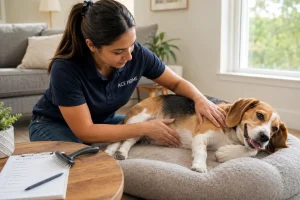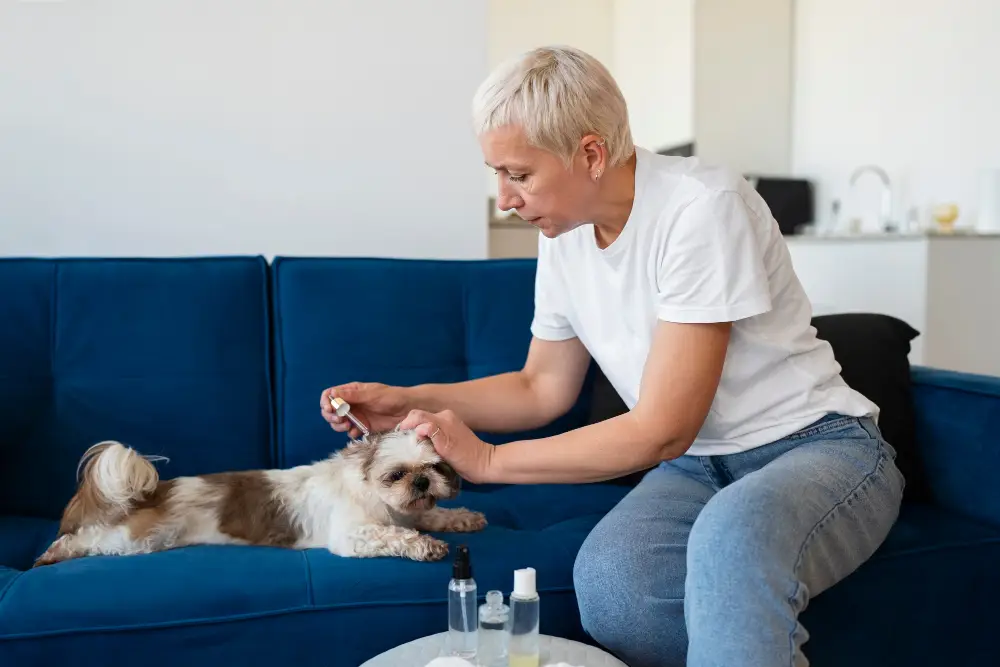
Giving a pet its meds sounds simple until you are the one chasing a cat around the kitchen with a pill in your hand. Or you are staring at an insulin syringe wondering if you drew the right amount. Plenty of Jacksonville pet owners hit this wall, and it gets harder when work or travel means someone else has to handle the doses. This is where a trained in-home sitter earns their keep, and it helps to know what that looks like before you hand off the bottle.
Let me lay out what pet medication administration involves and what a trained sitter should bring to it.
Why Medication Is More Than Dropping a Pill in a Bowl
A dose is not just a pill. It is the right amount, at the right time, given the right way, and confirmed that it went down. Miss any of those and the treatment slips.
Timing Holds the Whole Thing Together
Lots of meds only work if the spacing holds. A twice-a-day antibiotic wants close to twelve hours between doses. Insulin lines up with meals on a tight clock. Thyroid and heart meds lose their footing when the timing drifts. A dose given three hours late, or doubled up because someone lost track, throws the treatment off and can make the pet sick. A sitter who tracks the clock keeps the plan intact, and writes down the time each dose went in so there is no guessing later. On a multi-med pet, that log is the only way to keep the morning and evening rounds straight across a week.
The Pet Fights Back
Pets are experts at ducking meds. The cat clamps its jaw. The dog eats around the pill and spits it out later. The pill gets tucked in a cheek and dropped behind the couch when nobody is looking. Getting the dose in, and knowing it stayed in, takes technique and patience, not force.
What a Trained Sitter Actually Does
A sitter who knows medication does not wing it. There is a method, and it shows.
They Learn the Routine Before Day One
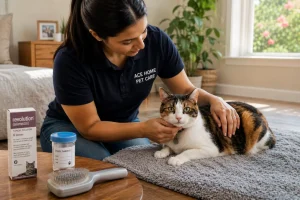
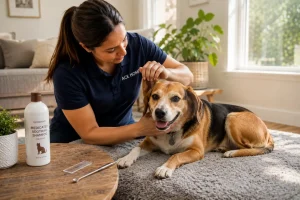
Before the first solo visit, a trained sitter goes over the whole plan with you. What the med is, the dose, the timing, how the pet takes it, what a reaction looks like. They watch you do it once if they can. That meet-and-greet is where the handoff gets solid, so nothing is a guess when you are gone.
They Know the Delivery Methods
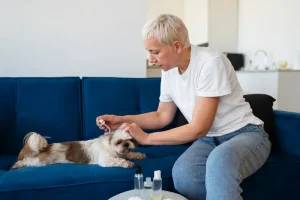
Pills, liquids, drops, and shots each have a way. A trained sitter can hide a pill in food and confirm it went down, or place it at the back of the throat for the clever ones who spit. They can draw a liquid dose to the line and give it without spraying half of it on the counter. For eye and ear drops, they know how to steady the animal so it lands right.
They Handle Injections With Care
Insulin and other shots scare a lot of owners, and they should be taken seriously. A trained sitter knows how to draw the dose, check it, rotate the site, and give the shot with the animal calm. For a diabetic pet, they also line the shot up with the meal, since the two go together, and they know the signs of a sugar crash to watch for after.
They Confirm & Record
The dose is not done until it is confirmed and logged. A sitter doing the job right notes the time each med went in, watches that the pet swallowed, and flags a dose the pet fought or brought back up. You get that record, so you and your vet can see the pattern across the days you were away.
Reading the Pet After the Dose
Meds do things, and not all of them are on the label. A trained sitter keeps an eye on the pet after each dose for anything off. Vomiting, drooling, wobbling, swelling, a pet that goes flat or will not settle. Catching a bad reaction early can be the thing that gets the pet to the vet in time. This watch is a piece of the job people forget is part of medication care.
What to Hand Off Before You Leave
Set your sitter up to win. Write down each med, the dose, the timing, and the way the pet takes it. Leave the meds sorted and labeled, with enough on hand for the whole stretch plus a little extra. Share the vet’s name and number and an after-hours clinic in case something breaks at night. Point out where the pet likes to hide, since a cat that needs a pill will vanish the second it senses one coming.
If the med is new, do a run-through with the sitter while you are still home. Watching the pet take a dose once beats any written note. It also lets the sitter ask the questions that only come up when the pill is actually in hand, like how the cat reacts to being scruffed or which arm the dog leans into.
Where This Leaves You
Medication is one of those things that looks small until it goes wrong. A skipped insulin shot, a doubled heart pill, an antibiotic course that quits halfway. Handing that to someone trained means the doses land on time, go in the right way, and get watched after, so the treatment your vet built does not fall apart the week you are out of town.
The point of an in-home sitter here is not just convenience. It is keeping a sick or aging pet on track in the house it knows, with a person who treats the dose with the care it needs. When you know what to expect, the handoff stops feeling like a risk and starts feeling like a plan.