If you own a Frenchie, Bulldog, Pug, Boxer, Boston Terrier, Shih Tzu, Pekingese, or any other flat-faced breed in Jacksonville, you are managing a different daily reality than your neighbor with a Labrador. The same morning walk that energizes a Lab can hospitalize a Frenchie. The same backyard that a Husky finds cool is dangerous to a Pug.
This is the working guide to brachycephalic ownership in Florida. It does not say “be careful” – it tells you what specifically to do.
Why Flat-Faced Dogs Struggle More
Brachycephalic breeds have shortened skulls that compress their nasal passages, soft palate, and airway. This makes them iconic-looking but creates real physical problems:
- Reduced panting efficiency. Dogs cool primarily through evaporation from panting. Brachycephalic dogs cannot move air through their respiratory tract efficiently, so panting cools them less.
- Increased airway turbulence. Their narrow airways create friction and heat, adding to body temperature rather than cooling.
- Soft palate elongation. Many flat-faced dogs have soft palates that partially obstruct breathing, especially during exertion or stress.
- Reduced nasal heat exchange. The nasal turbinates that normally help cool inhaled air are compressed in these breeds.
Add Florida humidity (which reduces evaporative cooling further) and these dogs have a roughly 30-50% lower cooling capacity than other breeds at the same temperature.
The clinical name for the combined airway issues is Brachycephalic Obstructive Airway Syndrome (BOAS). Severity varies significantly within breeds and individuals.
Brachycephalic Breeds Common in Jacksonville
Florida has a high concentration of brachycephalic breeds, likely because they appeal to apartment dwellers and people in warmer climates who want a smaller dog. Most common in Jacksonville:
- French Bulldog (the breed that has surged in recent years)
- English Bulldog
- Pug
- Boston Terrier
- Boxer
- Shih Tzu
- Pekingese
- Cavalier King Charles Spaniel (mildly brachycephalic)
- Bullmastiff
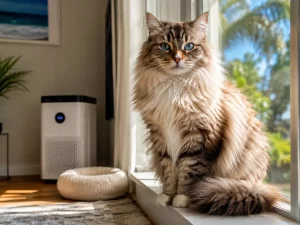
- Persian and Himalayan cats (also affected by similar respiratory issues)
The severity of BOAS varies dramatically within breeds. Some Frenchies have well-formed airways; others struggle to breathe normally even at rest. Know your individual dog.
Heat Index Thresholds: When NOT to Go Outside
For brachycephalic dogs in Jacksonville, the standard heat advisories underestimate risk. Working thresholds:
- Air temperature below 75 degrees, low humidity: any time of day
- Air temperature 75-85 degrees: morning before 10 AM or evening after 7 PM
- Air temperature 85-90 degrees: brief outings before 9 AM or after 7 PM only
- Air temperature 90-95 degrees: dawn walks only, no afternoon outdoor time
- Air temperature above 95 degrees: skip outdoor activity, indoor only
- Heat index (with humidity) above 100: indoor only, no exceptions
For comparison, a Labrador can typically tolerate temperatures 10-15 degrees higher than these thresholds before risk becomes critical.
Daily Schedule for Florida Summer
A working daily schedule for a brachycephalic dog in Jacksonville from June through September:
- 6:00 AM: Quick outside potty, indoors immediately
- 6:30-7:00 AM: Short walk (10-15 minutes), shaded route if possible
- 7:30 AM through 6:30 PM: Indoor only with AC. Short potty breaks in shade.
- 7:00 PM: Sunset starts cooling. Brief outdoor time if conditions allow.
- 8:00-8:30 PM: Slightly longer evening walk, weather permitting
This is not optional flexibility. It is the working baseline for the breeds in question.
Home Setup for Florida Brachycephalic Owners
Indoor environment matters more for these breeds than others:
AC zones:
- Bedrooms and main living areas at 72-76 degrees during summer
- Avoid placing crates or beds in west-facing rooms (afternoon sun exposure)
- Avoid attached garages and uninsulated sun rooms entirely
Cooling tools:
- Cooling mats (pressure-activated gel)
- Elevated beds (allow air circulation under)
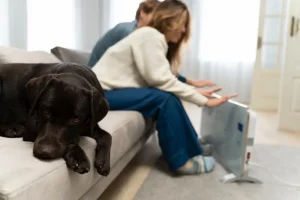
- Fans at floor level for cooling air movement
- Cool floors (tile, vinyl) preferred over carpet during peak summer
Water access:
- Multiple water stations throughout the home
- Refresh ice cubes in water bowls multiple times daily
- Never let the bowl run dry, especially during hot days
No-go zones:
- Lanais and screened porches during summer days (they get dangerously hot)
- Cars even briefly
- Closed sun rooms
Recognizing Early Heatstroke in Brachycephalic Breeds
These breeds escalate from “panting heavily” to “collapse” much faster than other dogs. The window between concerning symptoms and true emergency can be minutes.
Watch for:
- Excessive panting that does not slow with rest
- Tongue color changing from pink to dark red or purple
- Gums very red or pale
- Drooling more than usual
- Difficulty breathing, gasping
- Stumbling, unsteady gait
- Vomiting
- Glassy or unfocused eyes
- Refusing to walk or move
At ANY of these signs in a flat-faced dog, treat as a heat emergency. Begin active cooling immediately. See our dog heatstroke first aid guide for the protocol.
BOAS Surgery: Is It Worth It in Florida?
Brachycephalic Obstructive Airway Syndrome can be surgically corrected to varying degrees. Common procedures:
- Soft palate trimming (staphylectomy)
- Nostril widening (rhinoplasty / alarplasty)
- Removal of everted laryngeal saccules
- In severe cases, partial tracheal procedures
Pros of BOAS surgery for Florida dogs:
- Significantly improved heat tolerance for many dogs
- Reduced snoring and breathing distress
- Better exercise tolerance
- Lower long-term heatstroke risk
Considerations:
- Cost ranges from $1,500 to $4,000+ depending on procedures and surgeon
- Anesthetic risk is real (these breeds have higher anesthetic complication rates)
- Recovery is 2-4 weeks of restricted activity
- Best results are with younger dogs (under 3 years)
- Not all symptoms are surgically correctable
For Florida owners with a dog showing significant breathing issues even at rest, the surgical investment often pays back in quality of life and heatstroke risk reduction. Talk to your vet about referral to a board-certified veterinary surgeon for evaluation.
What Your Pet Sitter Needs to Know
If you use a sitter for your brachycephalic dog in Jacksonville, communicate these specifics:
- The breed and any known BOAS severity
- Walk timing limits (not just length, but time of day)
- Heat thresholds where outdoor activity must be skipped
- Specific cooling tools you use and where they are
- Signs of distress that warrant ER vet contact
- Your vet and ER vet phone numbers
A good Jacksonville pet sitter familiar with these breeds will know these things but verify. Our in-home pet care and professional pet sitting services include brachycephalic-aware coverage.
Frequently Asked Questions
Is owning a Frenchie in Florida cruel?
Not inherently. With appropriate care (limited heat exposure, AC living, BOAS evaluation, proper exercise scheduling), Frenchies live full lives in Florida. It does require more attention and limitations than non-brachycephalic breeds.
Can I take my Bulldog on a beach trip in summer?
Very early morning or after sunset only. Hot sand will burn paws and the open sun exposure can trigger heatstroke. Many Florida brachycephalic owners shift beach trips to October through April.
What is the most heat-tolerant brachycephalic breed?
Boxers and Boston Terriers are typically more athletic and have slightly better airway conformation than Bulldogs and Frenchies. Pugs vary widely. All still require Florida-summer caution.
How do I know if my dog has severe BOAS?
Signs of severe BOAS: loud breathing at rest, blue-tinged tongue or gums during mild exertion, frequent gagging or regurgitation, collapse during exercise, severe exercise intolerance. A vet evaluation, often with a board-certified surgeon, can stage severity precisely.
Should I avoid getting a brachycephalic breed in Florida?
This is a personal choice. The breeds are common in Florida and do well with proper management. If you cannot or will not adjust your lifestyle (limited outdoor time, daytime AC, careful summer scheduling), reconsider. If you can, they make wonderful Florida pets with appropriate care.
Can cats be brachycephalic?
Yes. Persian, Himalayan, Exotic Shorthair, and British Shorthair are the most common brachycephalic cats. Similar respiratory considerations apply. They generally tolerate Florida better than dogs because they live indoors and limit their own activity in heat.
A Florida-Compatible Lifestyle
Brachycephalic ownership in Florida means accepting some lifestyle modifications. Done well, these dogs thrive. Done poorly, they end up in the ER vet or worse.
If you live in Mandarin, Southside, Fleming Island, Ponte Vedra, or Jacksonville Beach and want a sitter who understands the specific needs of flat-faced breeds, reach out about our in-home pet care and professional pet sitting services.