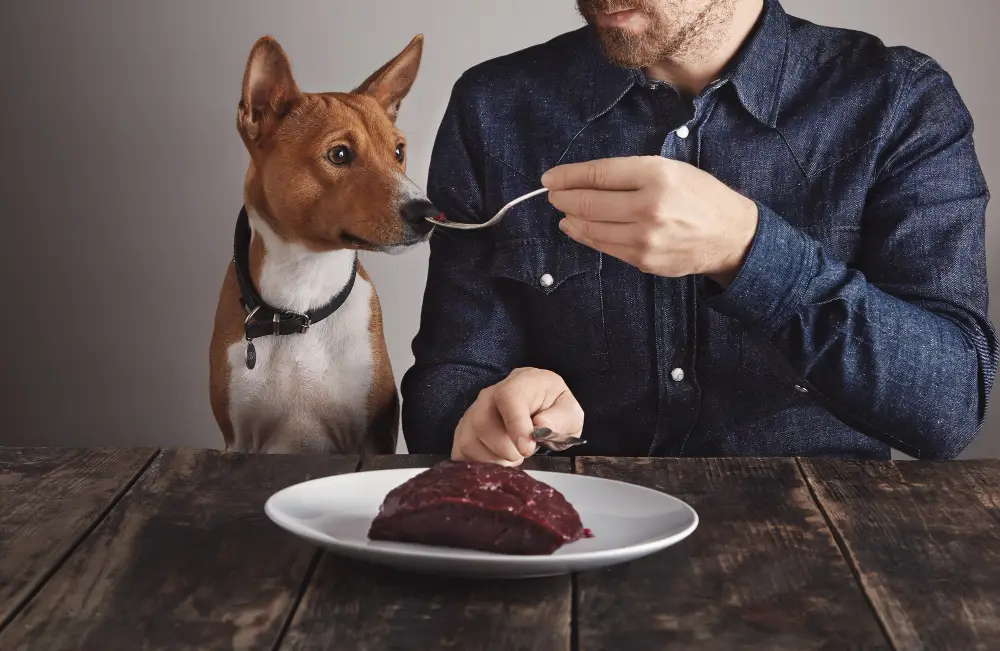
You go on a trip. Your sitter sends a message: “He did not eat much today.” You worry. By day three, you are wondering if your dog is making themselves sick. By the time you get home, your dog is thinner and eats voraciously the moment they see you.
This is a common pattern, especially in dogs who are highly bonded to their owners. It is usually stress-related rather than medical. It is also not benign – extended appetite reduction in dogs has real health consequences and indicates the sitter arrangement may need adjustment.
This is the working guide to dogs who will not eat for pet sitters, why it happens, and what to do.
For broader behavior context, see our dog behavior training Jacksonville guide.
Why Some Dogs Refuse Food When You Are Away
Several overlapping causes:
Stress and routine disruption: Your dog’s appetite is tied to their sense of normalcy. When you are gone, the household feels different. Some dogs experience this disruption as significant enough to affect appetite.
Mild separation anxiety: Not full separation anxiety with panic, but a milder version where the dog is moderately stressed by your absence. Appetite is one of the earliest things stress affects.
Unfamiliar feeder: Some dogs are particular about who feeds them. The sitter’s smell, voice, and timing may all feel “off.”
Different feeding ritual: You may have habits the sitter does not know (specific bowl placement, particular phrases, mixing wet food a certain way).
Bonded behavior: Highly bonded dogs sometimes show their devotion through “waiting” – reduced engagement with normal life while their primary person is absent.
The good news: most dogs that refuse food for sitters return to normal eating within hours of owner return. The bad news: extended food refusal during a 1-2 week trip is genuinely problematic.
When It Is a Real Concern
Most short-term sitter-related appetite loss is benign. These situations warrant action:
Concerning patterns:
- No food for 24+ hours, especially in smaller dogs
- No food for 36+ hours regardless of dog size
- Significant water refusal alongside food refusal
- Lethargy beyond the typical “missing you” sadness
- Vomiting or diarrhea
- Weight loss visible after a multi-week trip
Why duration matters:
- Healthy dogs can fast a meal or two without significant harm
- Multi-day fasting causes muscle loss and weakness
- For diabetic dogs, dogs on certain medications, or dogs with chronic conditions, even shorter fasts are dangerous
- For overweight dogs especially cats but also smaller dogs, extended fasting can cause hepatic lipidosis
If your dog has refused food for 24+ hours during sitter care, the sitter should contact you and your vet should be consulted.
Pre-Trip Prevention
Several things you can do before your trip reduce the likelihood of sitter feeding refusal:
Build the sitter relationship in advance
- Multiple meet-and-greets before the actual trip
- Sitter visits while you are home (dog sees positive interaction)
- Sitter provides treats during visits to build association
See our introducing dog to new pet sitter guide for the protocol.
Brief the sitter thoroughly
The sitter needs to know your feeding ritual in detail:
- Exact food and brand
- Bowl placement (some dogs care)
- Mixing instructions (wet/dry combination, water added)
- Exact phrasing or signals you use
- Whether the dog has any feeding quirks
- Whether dog wants company while eating or prefers privacy
Practice with the sitter feeding
If possible, have the sitter feed your dog once or twice while you are home (in a different room, or visible). This builds the dog’s experience of being fed by the sitter being a normal event.
Pre-trip stress reduction
- Maintain normal exercise leading up to departure
- Keep routines consistent
- Avoid major changes in the week before travel
During-Trip Strategies
If your sitter reports your dog is not eating, several approaches:
Sitter-led approaches
Different food presentation:
- Warming wet food slightly
- Hand-feeding small amounts
- Adding low-sodium broth to food
- Trying a different bowl
Different timing:
- If your dog typically eats immediately, try leaving food out for longer
- If your dog usually eats at specific times, try the sitter offering food at different times
Different location:
- Some dogs eat better in less-trafficked areas
- Some prefer to eat where they can see the sitter
Calm environment:
- White noise or quiet music
- Sitter not hovering over the bowl
- Some dogs prefer to eat alone
Owner-end approaches
Video call:
- A brief video call between you and your dog (with sitter holding the phone) sometimes triggers eating
- This is not a long-term solution but can help in a pinch
Familiar scent:
- A worn shirt you left for the sitter to put near the food
- Your scent on bedding near the eating area
Wet food upgrade:
- Many dogs eat wet food when they will not eat dry food
- Sitter could pick up canned food to try
High-value addition:
- Small amount of plain cooked chicken or beef as a “topper”
- Should be a temporary measure, not a habit
- Most dogs eat their regular food when chicken is mixed in
When the Sitter Should Contact You
A working threshold for sitter-to-owner communication:
Brief check-in (not concerning):
- Dog ate less than usual but still ate
- Dog was slow to eat but eventually ate
- Dog seemed quiet but otherwise normal
Real contact (worth a call):
- Dog skipped a meal entirely
- Dog has been hiding or unusually quiet
- Any signs of physical distress
Immediate contact:
- Dog has not eaten for 24+ hours
- Water consumption noticeably reduced
- Vomiting, diarrhea, or lethargy
- Any concerning behavior change
You and your sitter should agree on these communication thresholds before your trip.
When to Cut the Trip Short or Get Help
Rarely, but it happens:
Consider cutting the trip short:
- Multi-day food refusal in a small or compromised dog
- Vet recommends veterinary care that warrants your presence
- Signs of significant distress
Consider veterinary intervention:
- Vet visit can include appetite stimulants (Cerenia, Mirtazapine) prescribed for short-term help
- IV fluid hydration if dehydration develops
- Workup to rule out medical contributors
The sitter should be empowered to take the dog to your vet if needed. Provide written authorization and credit card info on file with your vet practice.
After You Return
What to do when you get home:
Reasonable response:
- Calm reunion (do not over-amp the dog)
- Offer food at normal time
- Expect enthusiastic eating
- Return to normal routine
What if eating issues continue post-trip:
- Most dogs return to normal within hours
- If your dog continues showing appetite issues 24+ hours after your return, vet visit is appropriate
- This could indicate a medical issue that emerged during your absence
Learn for next time:
- Note what worked and what did not
- Adjust sitter briefing for next trip
- Consider whether arrangement needs structural changes
Structural Solutions for Recurring Issues
If your dog consistently refuses food during sitter visits:
Increase sitter visit frequency:
- Two visits per day instead of one
- More frequent shorter visits
Overnight sitter consideration:
- A sitter who stays at your home (rather than visits) often results in better eating
- See our overnight pet care service
Find a sitter your dog truly bonds with:
- Some sitters click better with your dog than others
- Long-term sitter relationships often resolve this issue
Medication consultation:
- For chronic appetite stress during travel, discuss with your vet
- Some dogs benefit from anti-anxiety medication during travel periods
- Appetite stimulants can be used during longer trips
Frequently Asked Questions
My dog has refused food for 12 hours. Should I panic?
For healthy adult dogs, 12 hours of skipped meals is typically not a medical emergency. Continue offering food, ensure water access, ask the sitter to try different approaches. If it continues past 24 hours, contact your vet.
Why does my dog eat normally for me but not for the sitter?
Bonded dogs have multiple eating-related associations with their primary person: scent, voice, routine, comfort. Removing the primary person disrupts these associations. Some dogs adjust quickly to new feeders; others take longer.
Should I make my dog miss me less?
Not really, but you can build their independence. Sitter relationships from puppyhood, training periods of alone time, and varied caregivers all help dogs handle owner absences better. See our puppy socialization timeline for early independence-building.
Is there a medication for this?
For chronic appetite issues during travel, yes. Mirtazapine and Cerenia are commonly used appetite stimulants. They are typically vet-prescribed for specific trips. Talk to your vet if this is a pattern.
Can I give my dog tranquilizers so they eat better?
Generally no. Sedation does not cause eating; it usually suppresses it further. Anti-anxiety medication addressing the underlying stress sometimes helps. Vet-directed only.
What if my dog is on medication that requires food?
Critical issue. Many medications must be given with food to avoid GI upset or absorption issues. If your dog refuses food and cannot take their medication, that is a vet-consultation situation regardless of how long the food refusal has been. Some medications can be given without food temporarily; others cannot.
Most Cases Resolve Themselves
The majority of “dog will not eat for sitter” situations resolve naturally within the first day or two as the dog settles into the temporary arrangement. The owners who manage them well combine good pre-trip preparation, clear sitter briefing, and willingness to act if the pattern escalates.
If you want a sitter who builds genuine relationships with your dog over multiple visits and knows how to encourage eating, our in-home pet care, professional pet sitting, and overnight pet care services are built around this kind of attention.