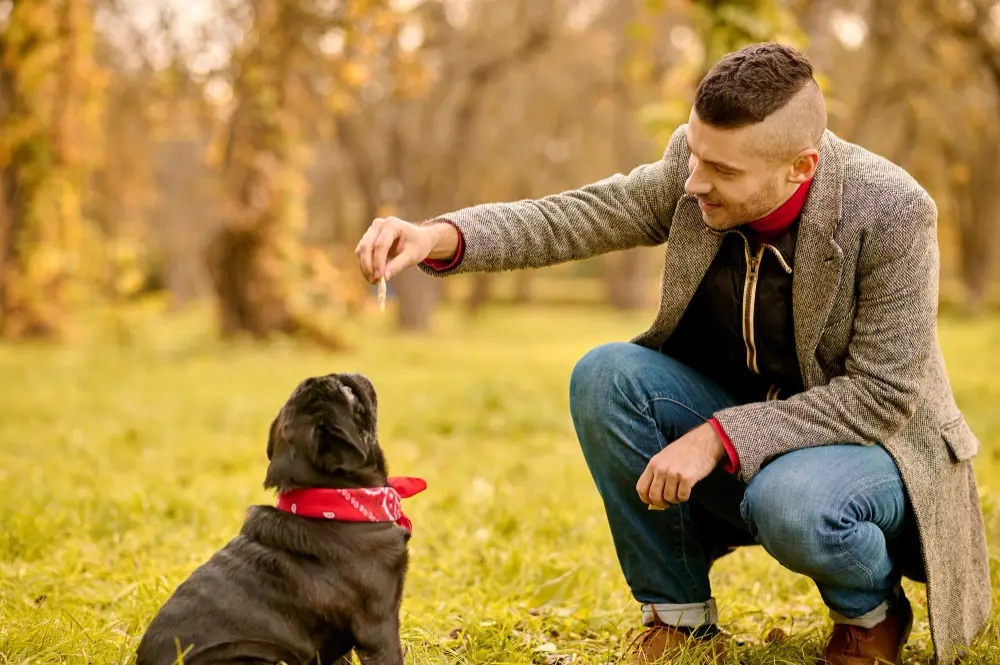
Dog behavior and training is one of the largest categories of pet owner stress in Jacksonville. The dog who pulls on leash. The dog who barks at every passing dog. The dog who destroys things when alone. The dog who will not eat for the sitter. Each behavior has causes, has solutions, and rarely resolves without intentional intervention.
This is the working guide to dog behavior and training for Jacksonville owners. Bookmark for reference. Follow the linked spoke articles for specific issues.
Why Behavior Is About Communication
Dogs communicate constantly through behavior. Pulling on leash is communication. Barking at strangers is communication. Refusing food is communication. The owner’s job is to read the communication accurately, then shape it through training.
Misreading dog behavior is the root of most training failures. The dog who “is being stubborn” is usually the dog who does not understand. The dog who “is being dominant” is usually the dog who is anxious. The dog who is “punishing the owner” by chewing up the couch is usually the dog who is panicking when left alone.
Reframe the behavior. The training follows.
The Foundation: What Every Dog Needs
Regardless of breed, age, or background, every dog benefits from these foundational elements:
Reliable basic commands:
- Sit
- Down
- Stay
- Come (recall)
- Leave it
- Heel or polite leash walking
- Place or settle on a mat
If your dog does not have these solid, start there. They are the framework for everything else.
Predictable routine:
- Same feeding times daily
- Same walk schedule
- Same bedtime patterns
- Predictability reduces anxiety and clarifies expectations
Appropriate exercise:
- Physical exercise calibrated to breed and age
- Mental enrichment (puzzle feeders, sniffing walks, training sessions)
- Most behavior problems include “insufficient exercise” as a contributing factor
Clear household rules:
- Furniture access (on or off)
- Door behavior (sitting before being let through)
- Greeting behavior (sitting before petting)
- Consistency across all household members
Common Behavior Issues Covered in This Cluster
This cluster has dedicated articles for the most common behavior problems Jacksonville owners face:
Separation anxiety: Panic when left alone. Different from boredom-driven destructive behavior. Requires gradual systematic desensitization, often combined with veterinary support. See our dog separation anxiety long-term treatment guide.
Destructive behavior when alone: Multiple possible causes – separation anxiety, boredom, teething (young dogs), insufficient exercise. Diagnostic process matters because solutions differ. See our dog destructive behavior when alone guide.
Refusing to eat for sitters: Stress response that affects sitter-coverage situations specifically. Differs from full appetite loss. See our dog will not eat for sitter guide.
Leash reactivity: Lunging, barking, growling at other dogs or triggers on leash. One of the most challenging Jacksonville behaviors because of high-density dog walking areas. See our leash reactive dog Jacksonville guide.
Adult crate training: Building positive crate association in dogs not crate-trained as puppies. Useful for travel, recovery from surgery, emergency situations. See our crate training adult dog travel prep guide.
Finding a Qualified Dog Trainer in Jacksonville
The dog training industry is unregulated. Anyone can call themselves a trainer. Credentials and methods vary dramatically.
What to look for:
Certifications that indicate ongoing education:
- CCPDT-KA (Certified Professional Dog Trainer – Knowledge Assessed)
- CCPDT-KSA (Certified Professional Dog Trainer – Knowledge and Skills Assessed)
- KPA-CTP (Karen Pryor Academy Certified Training Partner)
- CTC (Certificate in Training and Counseling from Academy for Dog Trainers)
For severe behavior issues:
- Board-certified Veterinary Behaviorist (DACVB)
- Certified Applied Animal Behaviorist (CAAB)
Methods to look for:
- Positive reinforcement based
- Force-free / fear-free approach
- LIMA philosophy (Least Intrusive, Minimally Aversive)
Methods to avoid:
- “Dominance” or “alpha” based training
- Prong, shock, or e-collar use as primary tools
- “Balanced” training that includes aversives as a routine tool
- Anyone who promises fast results for serious behavior issues
Questions to ask before hiring:
- What is your educational background and certifications?
- What methods do you use?
- How do you handle a dog that does not respond to training?
- Will you put any aversive tool on my dog?
- What is your refund policy?
A good trainer answers all of these openly. Hesitation or evasion is a warning sign.
When Behavior Issues Need a Veterinary Behaviorist
For severe issues, regular dog trainers may not be enough. Consider a board-certified veterinary behaviorist for:
- Severe aggression (especially to family members)
- Severe separation anxiety that does not respond to standard treatment
- Self-injurious behaviors
- Suspected medical contributors to behavior
- Cases requiring medication management
There are limited veterinary behaviorists in Florida, but consultation can be done in some cases. Ask your regular vet for referral.
The Role of Medication
Behavior medications have evolved significantly. They are not “first resort” but can be valuable adjuncts when behavior modification alone is not sufficient.
Common medications used for behavior issues:
- Fluoxetine (Prozac) – long-term anxiety
- Clomipramine – separation anxiety
- Trazodone – situational anxiety
- Sileo – noise anxiety
- Gabapentin – various anxiety
- Alprazolam – acute anxiety
These require veterinary prescription and management. They typically work alongside behavior modification, not as replacements.
Florida-Specific Behavior Considerations
Some Jacksonville-specific behavior contexts:
Heat and exercise:
- Many behavioral issues in Florida summer relate to insufficient exercise (because heat limits walking)
- Indoor enrichment becomes more important
- Mental stimulation can substitute for some physical exercise
Hurricane season:
- Storm anxiety overlaps with general anxiety
- Pre-storm planning matters for sensitive dogs
4th of July and New Year fireworks:
- Many dogs develop noise anxiety
- Cluster 3 covers this specifically – see our 4th of July fireworks anxiety guide
Year-round walking:
- Dogs do not get a winter break from walking demands
- Sustained training matters more
How Pet Sitters Fit Into Behavior Management
A good Jacksonville pet sitter can support behavior work:
- Maintaining training consistency during owner absence
- Following established protocols (specific commands, schedules)
- Reporting behavior observations
- Avoiding situations that would set back training
Communicate clearly with sitters about current training goals and protocols. The dog who learned good leash manners with you regresses if the sitter lets them pull.
For sitter briefing details, see our what to tell your pet sitter before you leave post.
Frequently Asked Questions
When should I start training a new dog?
Immediately. Puppies can begin basic training at 8 weeks. Adult rescues should start training within the first weeks of adoption. Earlier is better but it is never too late.
Do I need a professional trainer or can I do it myself?
Depends on the dog and the issue. Basic obedience and minor issues many owners handle themselves with books and videos. Reactivity, aggression, severe anxiety, or persistent issues benefit from professional help.
How long does behavior modification typically take?
Variable. Basic skills can be built in weeks. Modifying established problematic behaviors typically takes months. Severe issues may take 6-12 months or more. Patience is the universal training tool.
Is group class or private training better?
Both have value. Group classes teach focus around distractions and socialize dogs. Private training addresses specific issues with tailored protocols. Many owners benefit from both at different stages.
Can I train an old dog?
Yes. The “old dog new tricks” saying is wrong. Older dogs learn slightly slower than puppies but learn just fine. Often easier because they have longer attention spans than puppies.
What about online training programs?
Can be useful, especially for basic skills and information. For complex behavior issues, the lack of in-person assessment limits effectiveness. Use as supplement, not replacement for hands-on help with serious problems.
My dog is great at home but bad in public. Why?
Most dogs need to generalize skills across environments. Skills learned at home need to be practiced in increasingly distracting environments to become reliable everywhere. Build gradually.
Training Is a Relationship
The best-trained dogs are not the ones with the strictest owners. They are the ones with owners who communicate clearly, reward generously, and maintain consistent expectations over time. Training is communication, and communication takes practice.
If you have a dog with behavior issues and want a sitter who supports your training work rather than undermining it, our in-home pet care, dog walking, and professional pet sitting services include training-aware practices.