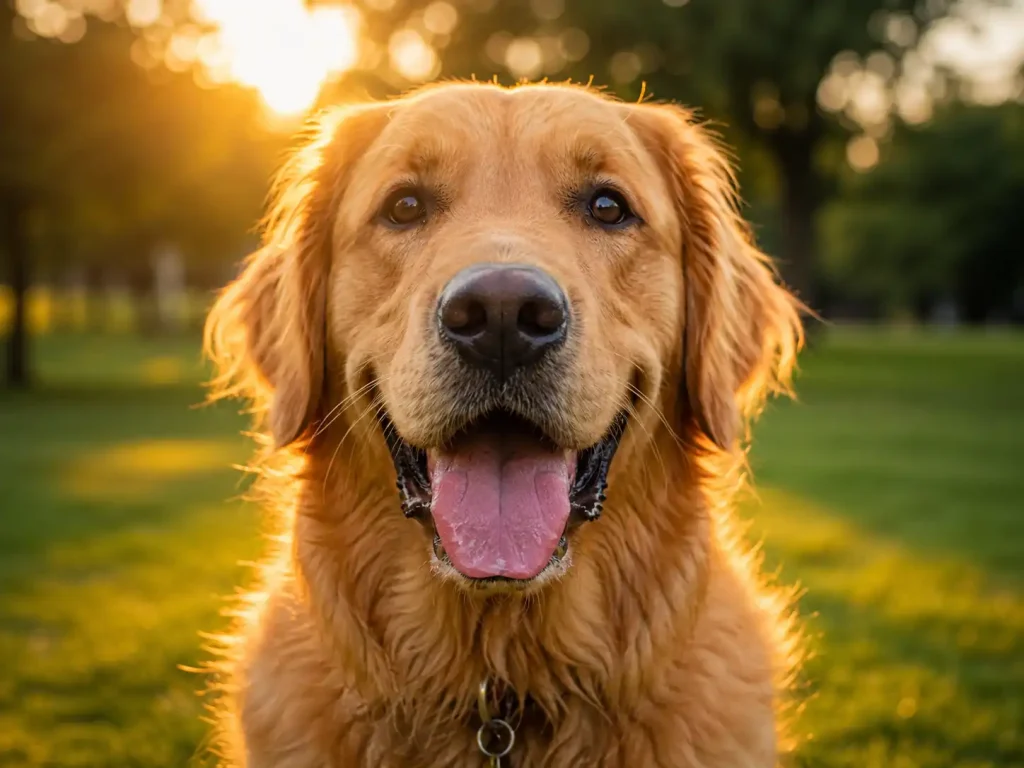
Panting is one of the most normal things a dog does, and also one of the most easily missed warning signs. A dog who pants after a romp in the yard is just cooling off. A dog who pants while lying still in an air-conditioned room at midnight may be telling you something is wrong.
The trick is knowing the difference. This guide explains why dogs pant, how to tell normal panting from a problem, the full range of causes (including a few that most articles leave out), why panting at night is its own question, and exactly when it becomes an emergency. As an in-home pet care service in Jacksonville, where heat and humidity make panting a year-round topic, we watch for these signs every day.
The short answer
Normal panting is your dog cooling down after heat, exercise, or excitement, and it settles within minutes once they rest or cool off. Panting becomes a concern when it happens for no clear reason, at rest, at night, or much harder than the situation calls for, especially alongside other signs like pale or blue gums, drooling, restlessness, or labored breathing. When panting is heavy, sudden, and paired with those signs, treat it as an emergency.
Normal vs. concerning panting at a glance
| 🟢 Usually Normal | 🟡 Worth a Closer Look | 🔴 Call the Vet Now |
|---|---|---|
| After intense exercise or heavy play | Panting at rest or in an air-conditioned room | Pale, white, blue, or brick-red gums |
| On a hot, typical Florida humid day | Panting at night without background heat | Labored breathing (heavy belly heaving) |
| When excited or greeting you at the door | Panting fits that completely refuse to settle | Sudden collapse, structural weakness, or confusion |
| Brief stress (car rides, immediate vet entrance) | Panting much heavier than the activity warrants | Active heatstroke signs or open-mouth distress |
Why do dogs pant in the first place?
Dogs barely sweat. Aside from a little through their paw pads, they cannot cool themselves the way people do. Instead they pant: fast, shallow breaths move air across the wet surfaces of the tongue, mouth, and upper airway, and as that moisture evaporates it carries heat away and lowers body temperature. So panting is mostly a cooling system, and it is completely normal when a dog is hot, has been active, or is worked up. The question is always whether the panting fits the situation.
How to tell normal panting from a problem: count the breaths
📊 Home Diagnostic Metric: Resting Respiratory Rate
When your dog is sound asleep or completely resting, count the chest expansions for exactly 60 seconds (1 inhale + 1 exhale = 1 breath).
🔴 Above 35-40 BPM: Red Flag (Call Vet)
One of the most useful things you can do at home is learn your dog’s resting respiratory rate. While your dog is calm, resting, or asleep (not after exercise), count how many breaths they take in one minute. One breath is one inhale plus one exhale.
For most healthy dogs at rest, that number sits roughly between 15 and 30 breaths per minute. Consistently above about 35 to 40 breaths per minute while truly at rest is a red flag worth a call to your vet, even if your dog seems otherwise fine. Knowing your dog’s normal number on a calm day makes it much easier to spot trouble later.
Causes of panting in dogs
Normal, expected panting
Heat, exercise, excitement, and brief stress all cause panting that resolves on its own. A dog greeting you at the door, finishing a walk, or riding in the car may pant hard for a few minutes and then settle. This is healthy cooling and stress relief, not a problem, as long as it passes.
Heat and heatstroke (emergency)
Overheating is the most dangerous common cause. On a hot, humid day, in a parked car, or after too much activity in the heat, a dog can move from heavy panting to true heatstroke fast. Early signs include frantic panting, bright red gums, and drooling, progressing to weakness, vomiting, disorientation, and collapse. Heatstroke is a life-threatening emergency. Flat-faced breeds are especially at risk (more below).
Pain
Pain is one of the most overlooked reasons dogs pant, because dogs hide pain so well. A dog who is panting at rest, can’t get comfortable, paces, or pants at night may be hurting from an injury, arthritis, dental disease, or internal pain. If panting comes with reluctance to move, a hunched posture, or a swollen belly, call your vet. (Our guide on recognizing pain in dogs and cats covers the subtle signs.)
Anxiety and stress
Fear and stress trigger panting just like heat does. Common triggers include thunderstorms, fireworks, vet visits, travel, and separation. Stress panting usually comes with other anxious signals: pacing, trembling, lip-licking, yawning, hiding, or an inability to settle. It typically eases once the trigger passes. If your dog panics during storms or fireworks, our guide on helping your dog through fireworks and noise can help. If panting and distress don’t settle, rule out a medical cause with your vet.
Heart and respiratory conditions
When the heart or lungs aren’t moving oxygen efficiently, dogs pant to compensate. Heart disease can cause panting with coughing, tiring easily, or a bluish tinge to the gums. Respiratory causes include pneumonia, fluid in or around the lungs, an airway obstruction, collapsing trachea (common in small breeds), and laryngeal paralysis (common in older large breeds like Labradors, often with noisy breathing and a changed bark, and much worse in heat). Any of these deserves prompt veterinary attention.
Cushing’s disease (a commonly missed cause)
Here is one most articles skip: Cushing’s disease (hyperadrenocorticism), an overproduction of the stress hormone cortisol, frequently causes excessive panting, especially in middle-aged and older dogs. The tell is the company it keeps: increased thirst and urination, a bigger appetite, a pot-bellied appearance, thinning coat, and panting that has crept up over weeks or months. If your older dog has slowly started panting more along with these signs, ask your vet about testing for Cushing’s.
Medications
Some medications cause panting as a side effect. Steroids such as prednisone are a classic example, and opioid pain medications can cause panting too. If your dog started panting more after a new prescription, mention it to your vet, but never stop a medication on your own.
Anemia, fever, and infection
If the blood is low on red cells (anemia) or the body is fighting a fever or infection, a dog may pant to get more oxygen. These usually come with other signs like pale gums, lethargy, or loss of appetite, and need a vet’s workup.
Obesity
Carrying extra weight makes everything harder. Overweight dogs pant more with less effort and overheat faster, which also raises their risk in hot weather. Weight management reduces panting and protects the heart and joints.
Senior dogs and cognitive changes
Older dogs are more prone to several panting-related issues at once: heart disease, laryngeal paralysis, arthritis pain, and Cushing’s. Seniors can also develop canine cognitive dysfunction (“doggy dementia”), which can cause nighttime restlessness, pacing, and panting, sometimes called sundowning. If your senior’s panting is new or worse, it is worth a checkup rather than chalking it up to age. (See our senior dog care guide.)
Why is my dog panting at night?
Nighttime panting deserves its own look, because the usual explanation, heat and activity, often doesn’t apply when the house is cool and the dog is resting. When a dog pants at night for no obvious reason, the more likely culprits are:
- Pain that is easier to notice when everything else is quiet
- Cushing’s disease, which commonly shows up as panting at rest, including overnight
- Heart or respiratory disease, which can worsen when lying down
- Anxiety, including nighttime separation or noise sensitivity
- Cognitive dysfunction in senior dogs, with restlessness and sundowning
- Lingering heat, if the sleeping area is warmer or more humid than you think
Occasional, brief nighttime panting on a warm evening may be nothing. But regular, unexplained panting at night, especially in an older dog or alongside any other symptom, is a reason to call your vet.
When is panting an emergency?
Gently lift your dog’s upper lip. If the mucosal tissues or gums look pale gray, muddy white, blue-tinged, or an intense dark brick-red color instead of a healthy wet pink texture, emergency cardiovascular intervention is required immediately.
Call an emergency vet right away if panting comes with any of these:
- Gum color changes pale, white, blue, or brick-red gums. (To check: gently lift the lip; healthy gums are pink and moist.)
- Labored breathing your dog uses belly muscles to breathe, stands with elbows out and neck extended, or has open-mouth breathing with obvious effort
- Collapse, weakness, stumbling, or confusion
- Heatstroke signs after heat exposure (frantic panting, bright red gums, vomiting, disorientation)
- Sudden, severe panting that won’t stop, especially with restlessness or a swollen, bloated belly
When in doubt, err on the side of calling. With breathing problems, minutes matter. Our guide on ER vet versus regular vet can help you judge urgency.
What to do right now
- Stop and assess. Is there an obvious trigger (heat, exercise, excitement)? Does the panting fit it, and is it settling?
- Cool the environment. Move your dog to a cool, quiet, shaded or air-conditioned space and offer small sips of water (don’t force it).
- Check the gums. Pink and moist is reassuring; pale, blue, or brick-red is an emergency.
- For suspected heatstroke, begin cooling with cool (not ice-cold) water over the body and head straight to a vet. Our dog heatstroke first-aid guide walks through the steps.
- Call your vet if the panting is at rest, at night, unexplained, worsening, or paired with any other symptom. Describe when it started and what else you’re seeing.
Never give human medications to manage panting; many are toxic to dogs.
How your vet figures out the cause
Because the causes range from anxiety to heart failure, your vet works through them systematically: a physical exam, listening to the heart and lungs, checking gum color and temperature, and asking about your dog’s history and any medications. Depending on findings, they may recommend bloodwork (including tests for Cushing’s or anemia), chest X-rays, or heart imaging. The treatment follows the cause, which is exactly why a precise diagnosis matters.
Preventing problem panting
- Manage the heat. Walk during cooler hours, always provide shade and fresh water, and never leave a dog in a parked car.
- Keep a healthy weight, which lowers heat and breathing strain.
- Know your dog’s normal resting respiratory rate so you can catch changes early.
- Stay current on vet checkups, which catch heart, hormonal, and airway problems before they become emergencies.
A Jacksonville note on heat and humidity
In Northeast Florida, heat and humidity make panting and heatstroke a genuine year-round concern, not just a July problem. Humidity makes panting less effective at cooling, so dogs overheat faster here than the thermometer alone suggests. Flat-faced breeds, seniors, and overweight dogs are most at risk. For more, see our guides on keeping your pet safe in the summer heat and flat-faced breeds in Florida’s heat and humidity.
When to call your vet (quick reference)
- Panting at rest, at night, or with no clear trigger
- Resting breaths consistently above about 35 to 40 per minute
- Panting with pale, blue, or brick-red gums (emergency)
- Labored breathing, collapse, weakness, or confusion (emergency)
- Panting after heat exposure with heatstroke signs (emergency)
- Gradually increasing panting in an older dog, with thirst, appetite, or coat changes
Frequently asked questions
Why is my dog panting so much when it’s not hot? Panting without heat or exercise can signal pain, anxiety, heart or respiratory disease, Cushing’s disease, anemia, fever, or a medication side effect. If your dog is panting heavily at rest with no clear trigger, contact your veterinarian.
Why is my dog panting at night? Nighttime panting in a cool, resting dog is often due to pain, Cushing’s disease, heart or breathing problems, anxiety, or, in seniors, cognitive dysfunction. Regular unexplained night panting deserves a vet visit.
How do I know if my dog’s panting is an emergency? Treat it as an emergency if panting comes with pale, blue, or brick-red gums, labored breathing, collapse, weakness, confusion, or heatstroke signs after heat exposure. Call an emergency vet immediately.
What is a normal breathing rate for a dog at rest? Most healthy dogs take roughly 15 to 30 breaths per minute at rest. Consistently above about 35 to 40 breaths per minute while resting is a reason to call your vet.
Can anxiety cause my dog to pant? Yes. Stress and fear, from storms, fireworks, travel, or separation, commonly cause panting, usually with pacing, trembling, or hiding. It should ease once the trigger passes; if it doesn’t, rule out a medical cause.
Is heavy panting a sign of pain in dogs? It can be. Dogs hide pain, and panting at rest, restlessness, or trouble settling can be a clue, especially alongside reluctance to move or a hunched posture. A vet can help identify the source.