It’s one of the least charming things our dogs do, and one of the most common questions vets get. Eating poop even has a name: coprophagia. The good news is that for most dogs, especially puppies, it’s a normal (if gross) behavior rather than a sign that something is seriously wrong. The better news: with the right approach, you can usually stop it.
This guide explains why dogs eat poop, whether it’s dangerous, why some dogs go after cat or wildlife poop in particular, and the steps that actually help break the habit. As an in-home pet care service in Jacksonville, managing this behavior, calmly and without drama, is something we help families with regularly.
Is it normal for dogs to eat poop?
Largely, yes. It’s common, particularly in puppies, and research suggests a significant share of dogs do it at least occasionally. In most cases it traces back to instinct or behavior, not illness. That said, if an adult dog suddenly starts eating poop when they never did before, or does it constantly, it’s worth a vet visit to rule out a medical cause.
Why dogs eat poop: behavioral reasons
Most poop-eating is behavioral. Common reasons include:
- In the wild, canine ancestors ate waste to keep the den clean and reduce parasites and predators. Mother dogs do the same to keep their puppies’ area tidy. Those instincts linger.
- Puppies exploring. Puppies investigate the world with their mouths, and poop is just one more thing to sample. Most grow out of it.
- Under-exercised, under-stimulated dogs left alone may eat poop simply for something to do.
- Attention-seeking. If eating poop reliably gets a big reaction from you, even a scolding can accidentally reward the behavior.
- Stress or confinement. Anxiety, or being crated or kenneled for long stretches, can trigger it.
- Fear of punishment. A dog punished for accidents indoors may start eating the evidence to avoid getting in trouble.
- It’s simply there. Easy access to poop (an un-scooped yard, a litter box) makes it more likely.
Why dogs eat poop: medical reasons
Sometimes there’s a health driver, which is why a vet check matters if the habit is new or frequent:
- Poor diet or nutrient gaps. A dog on an unbalanced diet may seek missing nutrients.
- Poor nutrient absorption. Conditions like exocrine pancreatic insufficiency (EPI) mean food isn’t fully digested, leaving stool that still “smells like food.”
- Intestinal parasites. Worms steal nutrients and can leave a dog hungry.
- A bigger appetite from illness or medication. Diabetes, Cushing’s disease, thyroid problems, or drugs like steroids can ramp up hunger.
- A genuinely hungry dog is more likely to scavenge.
Causes at a glance
| 🛡️ Category | 🔬 Underlying Trigger | 📋 Predictive Clinical Clue | 💡 Management Action |
|---|---|---|---|
| Behavioral | Maternal Instinct | Mother dog cleaning nursing den areas automatically. | Normal ancestral response; keep area scooped cleanly. |
| Behavioral | Boredom / Isolation | Dog left crated or alone in yard for extended periods. | Introduce systematic daily puzzles and active exercise. |
| Behavioral | Attention Seeking | Executes behavior primarily when owner is watching. | Maintain low-key calm expressions; reward “Leave It.” |
| Medical | Malabsorption (EPI) | Rapid systemic weight drop despite massive, bulky stools. | Acquire internal GI panel and pancreatic enzyme updates. |
| Medical | Intestinal Parasites | Ravenous constant hunger; potbelly appearance in pups. | Schedule immediate clinical fecal float diagnostic check. |
| Medical | Polyphagia (Illness) | Excessive polydipsia (drinking more), frequent urination. | Audit blood profiles for active Diabetes or Cushing’s. |
Whose poop is it? (It matters)
Their own poop. The most common version, usually behavioral or, less often, a diet or digestive issue.
Another dog’s poop. Common too, but it carries a higher risk of passing on parasites or infections, so it’s worth discouraging.
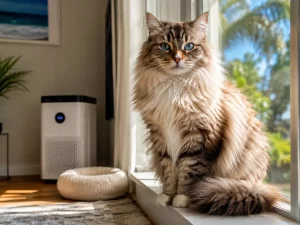
Cat poop (and raiding the litter box). A classic. Cat food is high in protein, so cat poop is especially tempting to dogs. The fix is mostly about access: a covered litter box, a baby gate, a box placed where the cat can reach but the dog can’t, and frequent scooping. Watch out for clumping litter, which can cause problems if eaten. Our Jacksonville cat care guide has litter-setup tips.
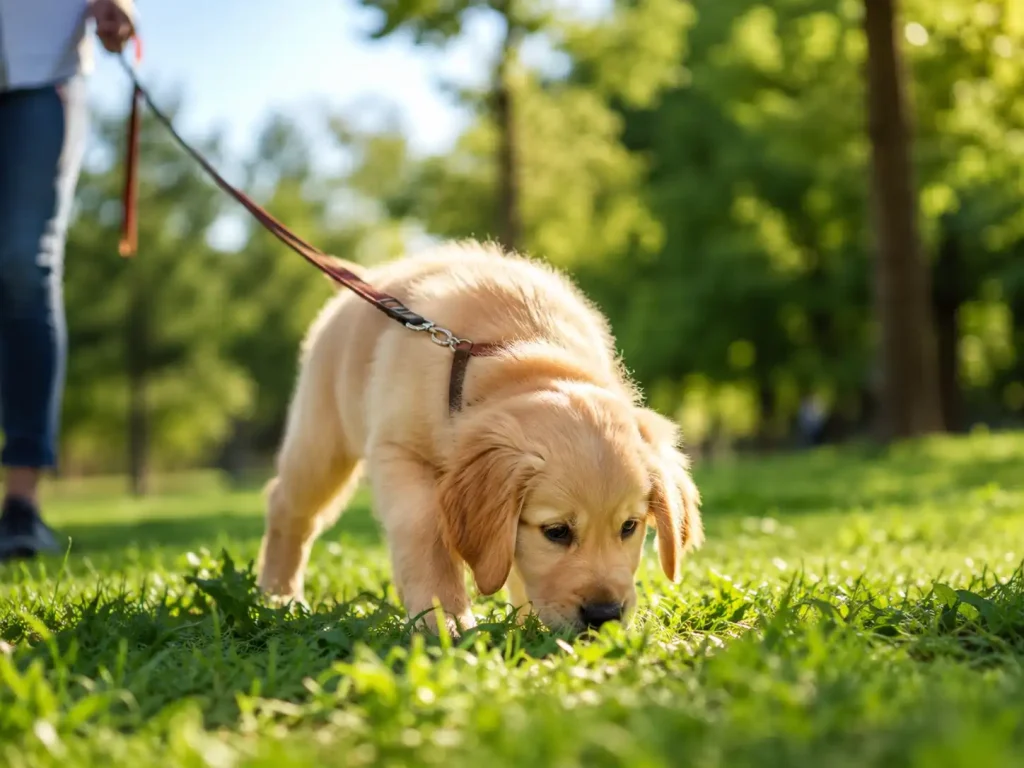
Wildlife and livestock poop (rabbit, deer, goose, chicken, horse). Many dogs find these irresistible on walks. The main risks are parasites and, occasionally, toxins, so keep your dog leashed and use “leave it” in areas where you see droppings.
Human poop. Less common; usually about access (an open diaper pail, for example). Keep it out of reach.
Is it dangerous?
⚠️ Critical Health Risks: Pathogen Contamination
While often behavioral, ingesting stool from outside animal vectors exposes your dog’s mucosal surfaces to severe loads of intestinal parasites (Giardia, Coccidia, Hookworms) and highly stable viral threats like Canine Parvovirus. Additionally, eating feces from livestock can transmit secondary toxicities if those animals recently parsed industrial chemical dewormers.
Mostly it’s just unpleasant, but there are real risks worth knowing:
- Parasites and worms, especially from other animals’ stool.
- Bacteria and viruses, including serious ones like parvovirus from infected dog feces.
- Second-hand toxins, for example if the animal that produced the poop ate rat bait.
- Litter issues, if your dog eats clumping cat litter along with the stool.
So while you don’t need to panic over a one-time nibble, it’s smart to discourage the habit and keep up with parasite prevention and vaccinations.
How to stop your dog from eating poop
There’s no single magic trick, the dogs that quit do so through a combination of these:
- See your vet first. Rule out parasites, diet problems, and other medical causes, especially if the habit is new.
- Manage the environment. Pick up your dog’s poop immediately, keep the litter box out of reach, and keep your dog leashed where there’s wildlife poop. You can’t eat what isn’t there.
- Don’t punish or overreact. Scolding can backfire and reinforce the behavior. Stay calm and redirect.
- Feed a complete, balanced diet, and enough of it. A well-fed dog on quality food is less driven to scavenge.
- Add exercise and enrichment. More walks, play, puzzle feeders, and chew toys cut the boredom that fuels the habit. A good daily walk helps a lot.
- Train “leave it” and a solid recall. Reward your dog for turning away from poop, so ignoring it becomes the habit instead.
- Ask your vet about deterrents. There are food additives and products designed to make stool unappealing, results are mixed, so treat them as a backup to management and training, not a cure.
Does pineapple work to stop dogs eating poop?
You’ll see this tip everywhere: feed pineapple (or pumpkin, or meat tenderizer) to make the poop taste bad coming out the other end. The reality is that the evidence is weak, and even commercial deterrents only work for some dogs. There are two big catches: it only affects your dog’s own poop (useless if they’re eating the cat’s or wildlife’s), and most dogs aren’t deterred anyway. A little pineapple won’t hurt a dog that tolerates it, but don’t rely on it, cleaning up, training, diet, and a vet check do far more.
How to stop a dog from eating cat poop
Since this one is so common, here’s the short version: make the litter box dog-proof. Use a covered or top-entry box, a baby gate or a door propped just wide enough for the cat, or place the box up high where only the cat can get to it. Scoop frequently so there’s nothing to find, and use “leave it” on walks if your dog targets cat colonies outdoors.
Puppies and senior dogs
Puppies very commonly eat poop and usually grow out of it with gentle redirection and good clean-up habits; our new puppy owner guide and crate training guide can help set good routines. In an adult or senior dog, a sudden new habit of eating poop deserves a vet visit, it can signal a medical issue or, in older dogs, cognitive changes. See our senior dog care guide for more.
A quick Jacksonville note
A lot of poop-eating comes down to boredom and access, two things a good routine fixes. Plenty of exercise, enrichment, and prompt clean-up go a long way. If you’d like a hand keeping your dog active, supervised, and on a steady routine while you’re at work or away, our in-home pet care in Jacksonville can help.
Frequently asked questions
Is it normal for dogs to eat poop? Yes, it’s common, especially in puppies, and usually behavioral rather than a sign of illness. But if an adult dog suddenly starts, or does it constantly, see your vet to rule out a medical cause.
Why does my dog eat their own poop? Most often it’s behavioral, instinct, boredom, attention-seeking, stress, or simple access. Sometimes it’s a diet or digestive issue, so a vet check is worthwhile if it’s frequent or new.
Why do dogs eat cat poop? Cat food is high in protein, which makes cat poop especially appealing to dogs. The best fix is limiting access with a covered or gated litter box, placing it out of the dog’s reach, and scooping often.
How do I stop my dog from eating poop? Start with a vet check, then clean up immediately, feed a balanced diet, add exercise and enrichment, train “leave it,” and avoid punishing. Deterrent products can help some dogs but aren’t a guaranteed fix.
Does pineapple stop dogs from eating poop? Usually not reliably. The evidence is weak, and it only affects your dog’s own poop, not the cat’s or wildlife’s. It’s safe to try in small amounts, but management, training, and diet work far better.
Is it bad for my dog to eat poop? It can be. Eating poop, especially from other animals, can pass on parasites, bacteria, and viruses, and occasionally toxins. Discourage it, and keep up with parasite prevention and vaccines.
Will my puppy grow out of eating poop? Most puppies do, with gentle redirection and good clean-up habits. If it continues into adulthood or seems excessive, talk to your vet.